Buy satoshifast.com ?
We are moving the project
satoshifast.com .
Are you interested in purchasing the domain
satoshifast.com ?
domain@kv-gmbh.de · 0541-91531010
Buy satoshifast.com ?
Which screws are needed to secure the motherboard?
To secure the motherboard, you will typically need a set of standoffs and screws. The standoffs are used to create space between the motherboard and the case to prevent any electrical shorts. The screws are then used to secure the motherboard to the standoffs. It's important to use the correct size and type of screws to ensure a secure and stable installation. Always refer to the motherboard and case manuals for specific instructions on which screws to use. **
How do you secure the graphics card with screws?
To secure a graphics card with screws, first align the graphics card with the PCI-E slot on the motherboard. Once aligned, gently push the card into the slot until it is fully seated. Next, use the screws provided with the graphics card to secure it to the case. Make sure to tighten the screws evenly on both sides to ensure the card is securely in place. Finally, connect any necessary power cables to the graphics card and you're all set. **


Similar search terms for Screws
Top-Angebote
Products related to Screws:

-
What do I need for screws to secure the vise?
To secure the vise with screws, you will need the appropriate size and type of screws, a screwdriver or drill, and possibly some washers or anchors depending on the material you are securing the vise to. It's important to use screws that are long enough to securely fasten the vise to the work surface, and to ensure that they are tightened properly to prevent any movement or instability. Additionally, using the correct type of screws for the material you are working with (wood, metal, etc.) will ensure a strong and secure attachment. **
-
What screws are needed to secure an M.2 SSD?
To secure an M.2 SSD, you will typically need M.2 screws. These screws are specifically designed to fit the small mounting holes on the M.2 SSD and secure it in place on the motherboard or SSD mounting bracket. It's important to use the correct screws to ensure a secure fit and prevent any damage to the SSD or motherboard. If you are unsure of which screws to use, you can refer to the user manual of your motherboard or SSD for guidance. **
-
How do you secure kitchen shelves with dowels and screws?
To secure kitchen shelves with dowels and screws, first, measure and mark the placement of the shelves on the wall. Then, drill holes into the wall at the marked locations and insert dowels into the holes. Next, place the shelves onto the dowels and use a level to ensure they are straight. Finally, use screws to secure the shelves to the wall, driving them through the shelves and into the dowels for added stability. **
-
Full or partial thread for drywall screws or plasterboard screws?
For drywall or plasterboard screws, it is recommended to use screws with a partial thread. Partially threaded screws are designed to securely hold the drywall in place without over-tightening and damaging the material. The partial thread allows for better control and prevents the screw from going too deep into the drywall. Additionally, partial thread screws are less likely to cause cracking or splitting in the drywall compared to full thread screws. **

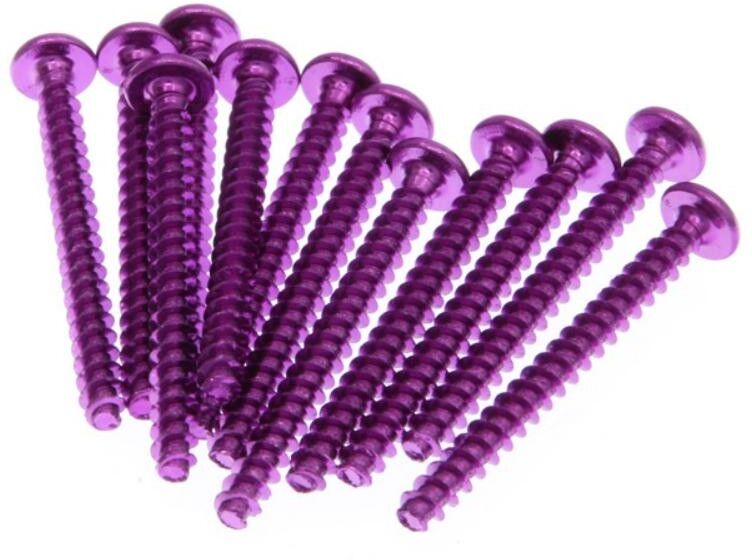
Which screws are used?
The screws used in this project are Phillips head screws. These screws have a cross-shaped indentation on the top that requires a Phillips screwdriver to tighten or loosen them. Phillips head screws are commonly used in a variety of applications due to their ease of use and ability to provide a secure hold. **
Which screws are magnetic?
Stainless steel screws are not magnetic, while carbon steel screws are magnetic. This is because stainless steel is a non-magnetic alloy, while carbon steel contains iron which is magnetic. Therefore, if you want to use magnetic screws, you should look for carbon steel screws. **
Top-Angebote
Products related to Screws:
-
Which screws are needed to secure the motherboard?
To secure the motherboard, you will typically need a set of standoffs and screws. The standoffs are used to create space between the motherboard and the case to prevent any electrical shorts. The screws are then used to secure the motherboard to the standoffs. It's important to use the correct size and type of screws to ensure a secure and stable installation. Always refer to the motherboard and case manuals for specific instructions on which screws to use. **
-
How do you secure the graphics card with screws?
To secure a graphics card with screws, first align the graphics card with the PCI-E slot on the motherboard. Once aligned, gently push the card into the slot until it is fully seated. Next, use the screws provided with the graphics card to secure it to the case. Make sure to tighten the screws evenly on both sides to ensure the card is securely in place. Finally, connect any necessary power cables to the graphics card and you're all set. **
-
What do I need for screws to secure the vise?
To secure the vise with screws, you will need the appropriate size and type of screws, a screwdriver or drill, and possibly some washers or anchors depending on the material you are securing the vise to. It's important to use screws that are long enough to securely fasten the vise to the work surface, and to ensure that they are tightened properly to prevent any movement or instability. Additionally, using the correct type of screws for the material you are working with (wood, metal, etc.) will ensure a strong and secure attachment. **
-
What screws are needed to secure an M.2 SSD?
To secure an M.2 SSD, you will typically need M.2 screws. These screws are specifically designed to fit the small mounting holes on the M.2 SSD and secure it in place on the motherboard or SSD mounting bracket. It's important to use the correct screws to ensure a secure fit and prevent any damage to the SSD or motherboard. If you are unsure of which screws to use, you can refer to the user manual of your motherboard or SSD for guidance. **
Similar search terms for Screws
-
How do you secure kitchen shelves with dowels and screws?
To secure kitchen shelves with dowels and screws, first, measure and mark the placement of the shelves on the wall. Then, drill holes into the wall at the marked locations and insert dowels into the holes. Next, place the shelves onto the dowels and use a level to ensure they are straight. Finally, use screws to secure the shelves to the wall, driving them through the shelves and into the dowels for added stability. **
-
Full or partial thread for drywall screws or plasterboard screws?
For drywall or plasterboard screws, it is recommended to use screws with a partial thread. Partially threaded screws are designed to securely hold the drywall in place without over-tightening and damaging the material. The partial thread allows for better control and prevents the screw from going too deep into the drywall. Additionally, partial thread screws are less likely to cause cracking or splitting in the drywall compared to full thread screws. **
-
Which screws are used?
The screws used in this project are Phillips head screws. These screws have a cross-shaped indentation on the top that requires a Phillips screwdriver to tighten or loosen them. Phillips head screws are commonly used in a variety of applications due to their ease of use and ability to provide a secure hold. **
-
Which screws are magnetic?
Stainless steel screws are not magnetic, while carbon steel screws are magnetic. This is because stainless steel is a non-magnetic alloy, while carbon steel contains iron which is magnetic. Therefore, if you want to use magnetic screws, you should look for carbon steel screws. **
* All prices are inclusive of VAT and, if applicable, plus shipping costs. The offer information is based on the details provided by the respective shop and is updated through automated processes. Real-time updates do not occur, so deviations can occur in individual cases. ** Note: Parts of this content were created by AI.